Alabama White Sauce Barbecue: Plate, Sandwich and Recipe
What is Alabama white barbecue sauce?
Alabama white barbecue sauce is a mayonnaise-and-vinegar sauce associated with smoked chicken, but it also accompanies pork. Order it with a sandwich or plate, checking which sauces are already included. At home, keep prepared sauce refrigerated, prevent contact with raw meat and cook poultry to 165°F (74°C). Discuss food allergies and cross-contact with restaurant staff before ordering.
The pale color can make the first encounter surprising if your reference point is a red barbecue sauce. Start with the particular restaurant's description, then decide whether you want the sauce mixed into the meal or served separately. The useful question is what comes on your order, not whether every Alabama barbecue meal follows one formula.
Where does white sauce fit in Alabama barbecue?
The Encyclopedia of Alabama credits Robert Gibson with white sauce in Decatur in 1925, not Birmingham. It describes mayonnaise, apple cider vinegar, lemon juice, black pepper and salt.
It describes eastern North Carolina-like vinegar sauces in northern Alabama, and tomato-based sauces related to Memphis and east Tennessee across the state. Mustard sauces also appear in eastern Alabama. These are regional influences, not one prescribed sauce for every restaurant.
Big Bob Gibson's own account explicitly associates its white sauce with both chicken and pork. Chicken is a useful starting point, not an exclusivity test. The maker also describes using the sauce in coleslaw and potato salad. A chicken sandwich and a pork plate can therefore both be reasonable places to encounter it.
For the broader context beyond barbecue, see our Birmingham food scene explanation.
Should you choose a sandwich or a plate?
A published local menu makes the difference concrete. The SAW's Avondale menu, checked for this guide, lists these combinations. Confirm the current offering with the restaurant; this is a menu reading, not a report from a meal there.
| Listed order | Sauce and accompaniments | What to clarify |
|---|---|---|
| Smoked pulled chicken sandwich | White sauce and pickles | Whether sauce can come separately |
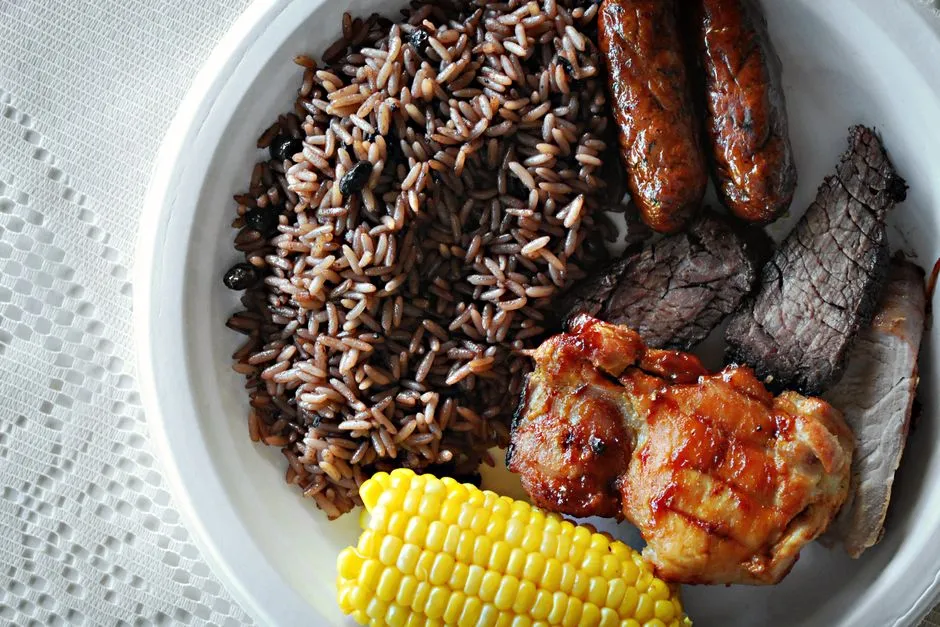
| Smoked chicken thighs plate | Red and white sauce, white bread, pickles and two sides | Whether you want both sauces |
| Original pulled pork sandwich | Red sauce and pickles | Whether white sauce is available separately |
Its side choices include vinegar coleslaw, greens, macaroni and cheese, cheese grits, potato salad and baked beans.
Our editorial preference for a first encounter is a plate when you want to compare components separately, or a sandwich when you want the restaurant's assembled combination. Neither format proves better barbecue. Asking for sauce on the side is a preference request, not a guarantee that an already sauced item can be changed.
Choose sides by the meal you actually want. If the purpose is to understand the sauce, resist ordering several unfamiliar sauces at once. For example, a diner could request one sauce separately and choose familiar sides, then make a different combination next time. This is a tasting plan, not a claim that we tried the pairings.
When ordering for someone else, write down the item and requested changes separately. Read the order back before paying. This keeps your preference request attached to the correct dish without claiming the kitchen has agreed to it.
Use the neighborhood dining guide to choose an area before settling the order. You do not need a second cross-city stop solely to make a sauce comparison.
Which home recipe can you follow?
Laura Tolbert's white sauce recipe published by Duke's supplies this formula. We have not kitchen-tested it.
Use the published quantities:
- 1 cup Duke's Mayonnaise
- 1/3 cup apple cider vinegar
- Juice of 1 large lemon
- 2 tablespoons white balsamic vinegar
- 1/4 teaspoon granulated garlic
- 1/2 teaspoon salt
- 1 teaspoon freshly ground black pepper, plus more to taste
- 2 1/2 teaspoons prepared horseradish
- 1 teaspoon ground mustard powder
- 1/4 teaspoon paprika
- 1/4 teaspoon ground cayenne pepper
- 1/2 teaspoon white sugar
- 1 teaspoon Worcestershire sauce
Whisk everything in a medium bowl. Refrigerate until serving.
Mayonnaise and cider vinegar alone are 3:1 by volume; the other acidic ingredients also remain in the formula.
Keep a copy of the source beside your shopping list, with ingredients checked off against the actual packages. Do not silently substitute something and call the result the published formula. Record a deliberate change as your own adaptation, so the next batch has an identifiable starting point.
How should you prepare and serve it safely?
Check each packaged ingredient's label for your household's dietary requirements before mixing. At a restaurant, FARE recommends discussing ingredients and preparation with staff, including cross-contact. Speak to a manager or chef when needed. If those discussions leave you unsure that the meal can be prepared safely for your allergy, do not order it. Sauce on the side does not resolve cross-contact.
Follow the CDC's clean-and-separate guidance: wash hands and utensils and keep raw meat separate from ready-to-eat food. As a practical application, put a clean serving portion of sauce aside before handling raw chicken. Keep its spoon separate. Discard sauce contaminated by raw meat rather than returning it to the serving bowl.
Cook chicken to 165°F (74°C), checked with a food thermometer, following the FoodSafety.gov temperature chart. Sauce color and the appearance of the meat do not replace that measurement. This sauce recipe is not a chicken cooking timetable; choose a separate, appropriate poultry recipe and verify the endpoint.
Keep the sauce refrigerated at 40°F or below. Under the FDA's buffet guidance, discard perishable food left without safe hot or cold holding for more than 2 hours, or 1 hour if exposed to temperatures above 90°F. For a longer service, keep cold food properly chilled and replace serving dishes rather than topping them up. The vinegar in this recipe is not permission to leave the bowl unrefrigerated.
The published recipe gives no specific refrigerated shelf life. We therefore do not attach an invented week-long storage promise to it. This is a sauce for refrigerated handling, not a canning formula.
How can you make the next order more useful?
Keep a short meal note: the order's exact name, sauce already included, anything requested separately, and whether you preferred the assembled or separate version. For a home batch, note the source and any intentional substitutions. Those records answer different questions: what the restaurant served, and what you actually mixed.
If you liked the sandwich but could not distinguish the sauces, change the format next time instead of treating the whole meal as a verdict on white sauce. If you liked the separate sauce but not the complete plate, reconsider the accompaniments. Our dish-first Birmingham guide can help choose the next meal without repeating this one.